TECHNICAL INFORMATION
DIAMOND BLADE CONSTRUCTION
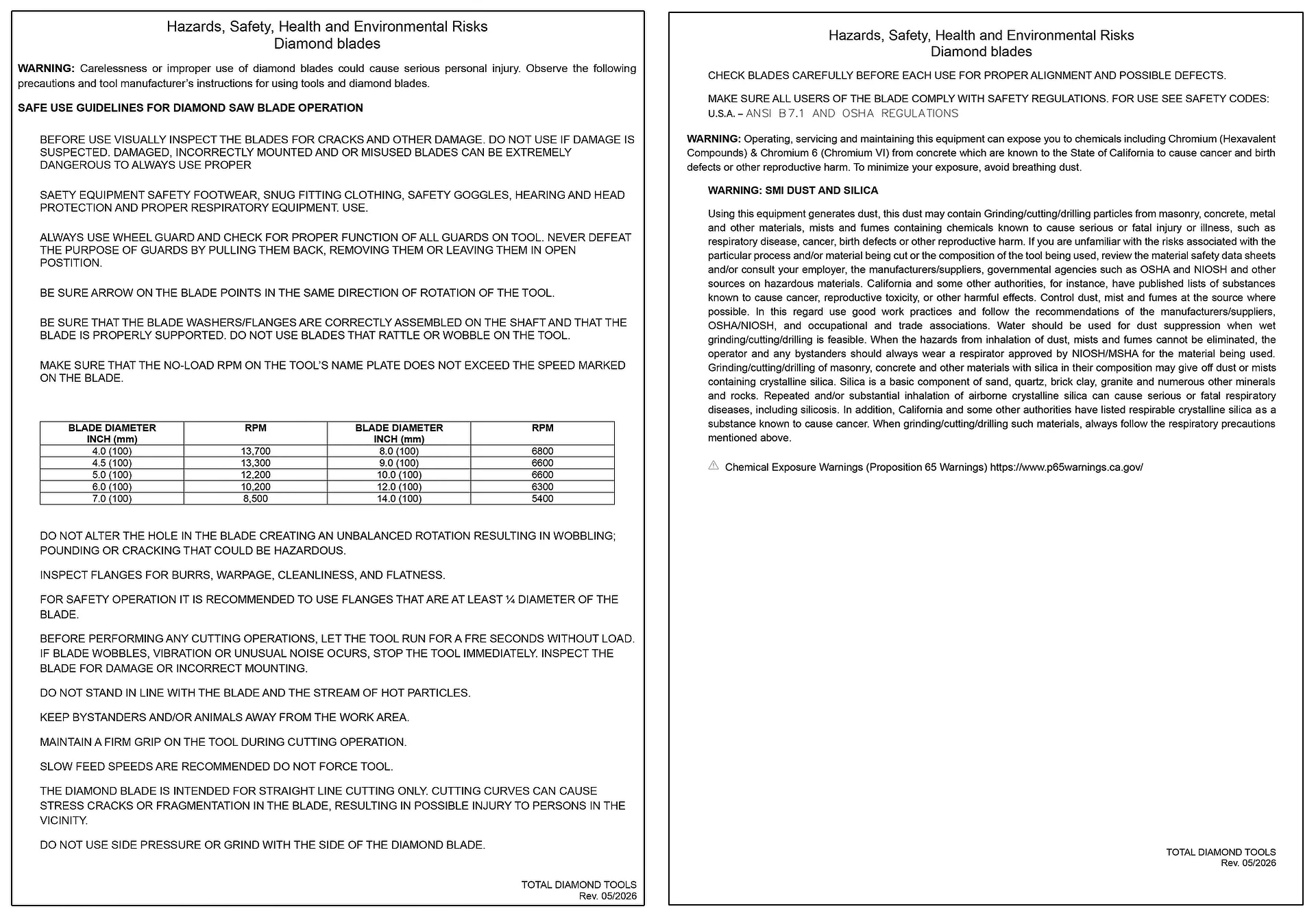
Diamond blade performance is determined by more than the diamonds alone. The interaction between diamond concentration, diamond quality, bond composition, segment design, attachment method, and steel-core construction determines how effectively a blade cuts, how it wears, and how it performs under different operating conditions.
Understanding these basic components makes it easier to select the proper blade for the material, equipment, and application.
1. DIAMOND SEGMENT
The diamond segment is the working portion of the blade that performs the cutting. It contains industrial-grade diamond particles distributed throughout a specially formulated metal bond or matrix.
As the blade cuts, the bond gradually wears and releases worn or fractured diamond particles while exposing new cutting points. The relationship between diamond quality, concentration, and bond hardness controls cutting characteristics, segment wear, and blade life.
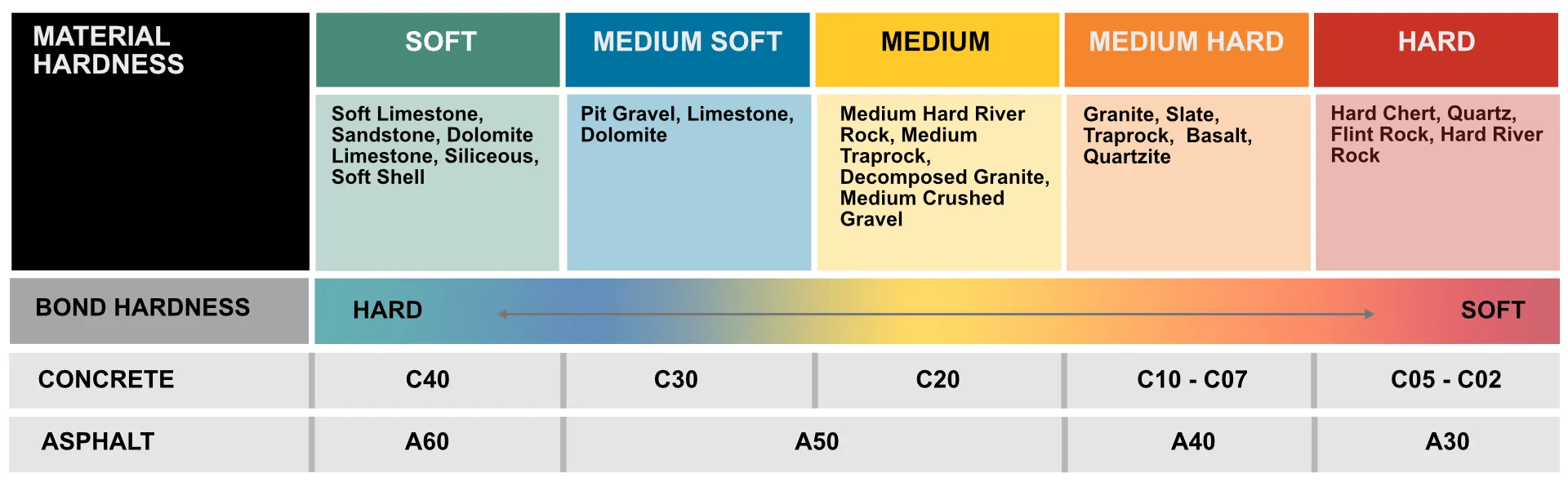
Hard materials generally require a softer bond to expose new diamonds more readily, while softer or more abrasive materials generally require a harder bond to resist excessive segment wear.
2. SEGMENT ATTACHMENT
Diamond segments must be securely attached to the steel core. The attachment method depends on the blade design, intended application, operating conditions, and manufacturing process.
Laser Welded
Individual diamond segments are permanently joined to the steel core using a high-energy laser process. The resulting weld provides a strong connection between the segment and core and is commonly used for demanding professional cutting applications.
Brazed
Brazing uses a metallic brazing alloy and controlled heat to join the diamond-bearing component to the steel body. Depending on the tool design, brazing can be used to attach conventional segments or to manufacture single-layer diamond tools, where diamonds are bonded directly to the tool surface.
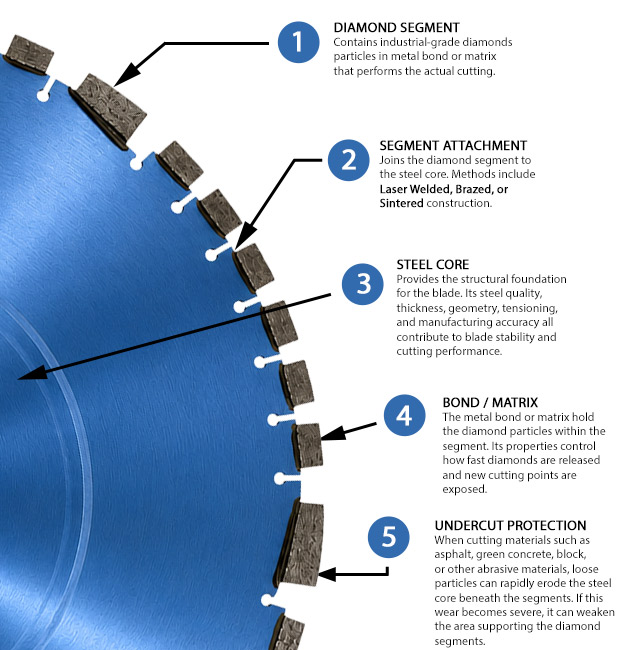
Sintered
In sintered construction, diamond-bearing material is bonded to the blade body through a controlled combination of heat and pressure. Sintering is widely used in diamond-tool manufacturing and provides an effective balance of cutting performance, durability, and production efficiency.
3. STEEL CORE
The steel core provides the structural foundation of the diamond blade. Its steel quality, thickness, geometry, tensioning, and manufacturing accuracy all contribute to blade stability and cutting performance.
Depending on the application, the core may incorporate features such as cooling slots, gullets, undercut protection, drive-pin holes, or specialized noise-reduction designs. These features can help control heat, improve stability, protect the core in abrasive applications, and reduce operating noise.
A properly engineered core must remain stable at operating speed while accurately supporting the diamond segments throughout the blade’s service life.
4. BOND / MATRIX
The bond, sometimes called the matrix, is the metallic material that holds the diamond particles within the segment. Its primary function is to support the diamonds while controlling the rate at which worn diamonds are released and new cutting points are exposed.
Hard Material → Softer Bond
Allows the matrix to wear more readily and continually expose fresh diamond.
Soft / Abrasive Material → Harder Bond
Slows matrix wear and helps prevent premature loss of the diamond segment.
This relationship is one of the most important factors in selecting a diamond blade for a specific application.
5. UNDERCUT PROTECTION
Undercut protection is a reinforced section positioned near the steel core directly below the diamond segments. It is designed to help protect the blade core from excessive wear caused by highly abrasive cutting materials
When cutting materials such as asphalt, green concrete, block, or other abrasive materials, loose particles can rapidly erode the steel core beneath the segments. If this wear becomes severe, it can weaken the area supporting the diamond segments.
Undercut protection helps reduce core erosion, protect segment attachment, and extend blade service life in demanding abrasive applications.
Important: Undercut protection does not replace proper blade selection. The correct bond, blade specification, and operating conditions should always be matched to the material being cut.
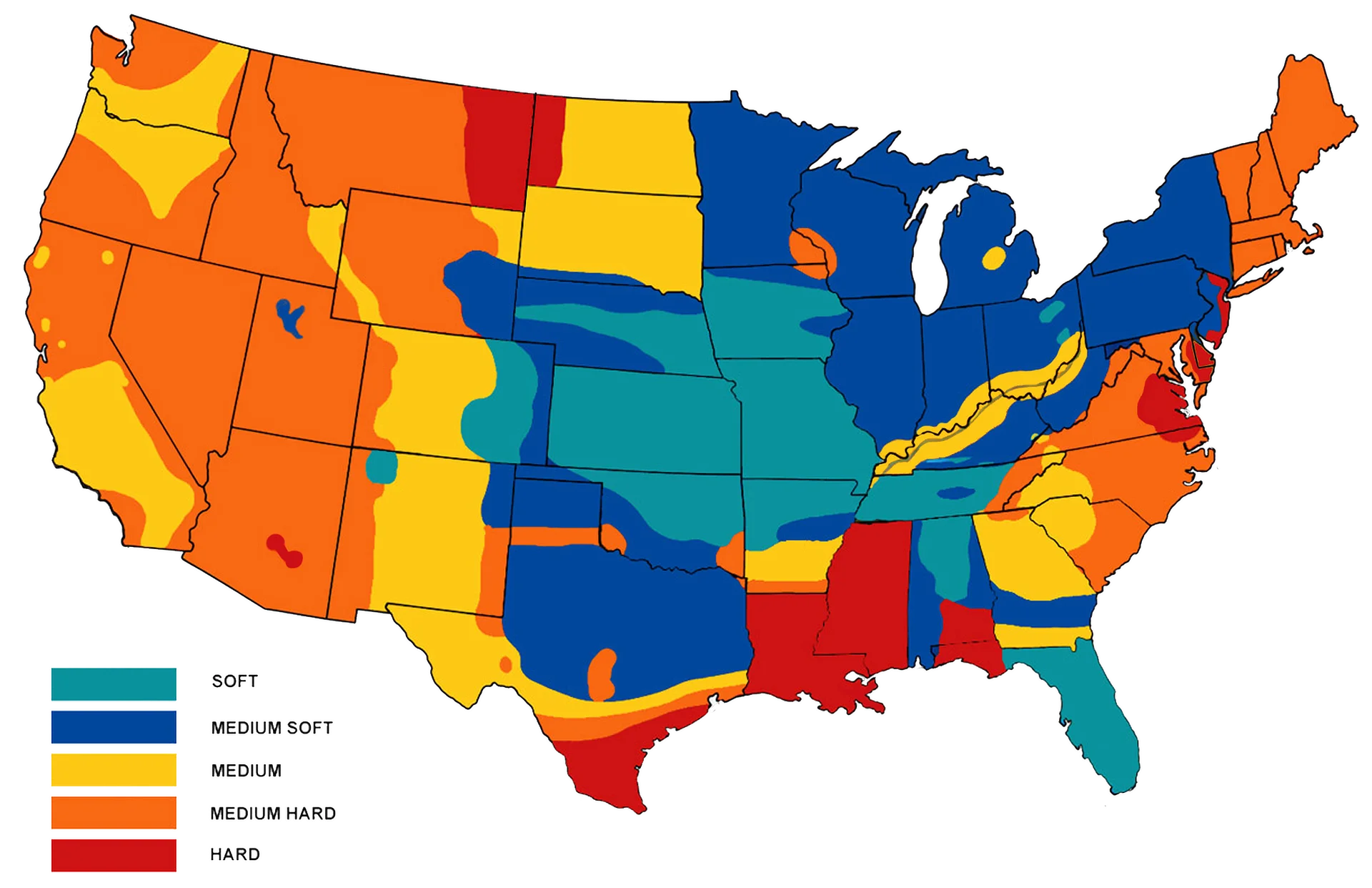
Aggregate Map of the United States
Bond Chart
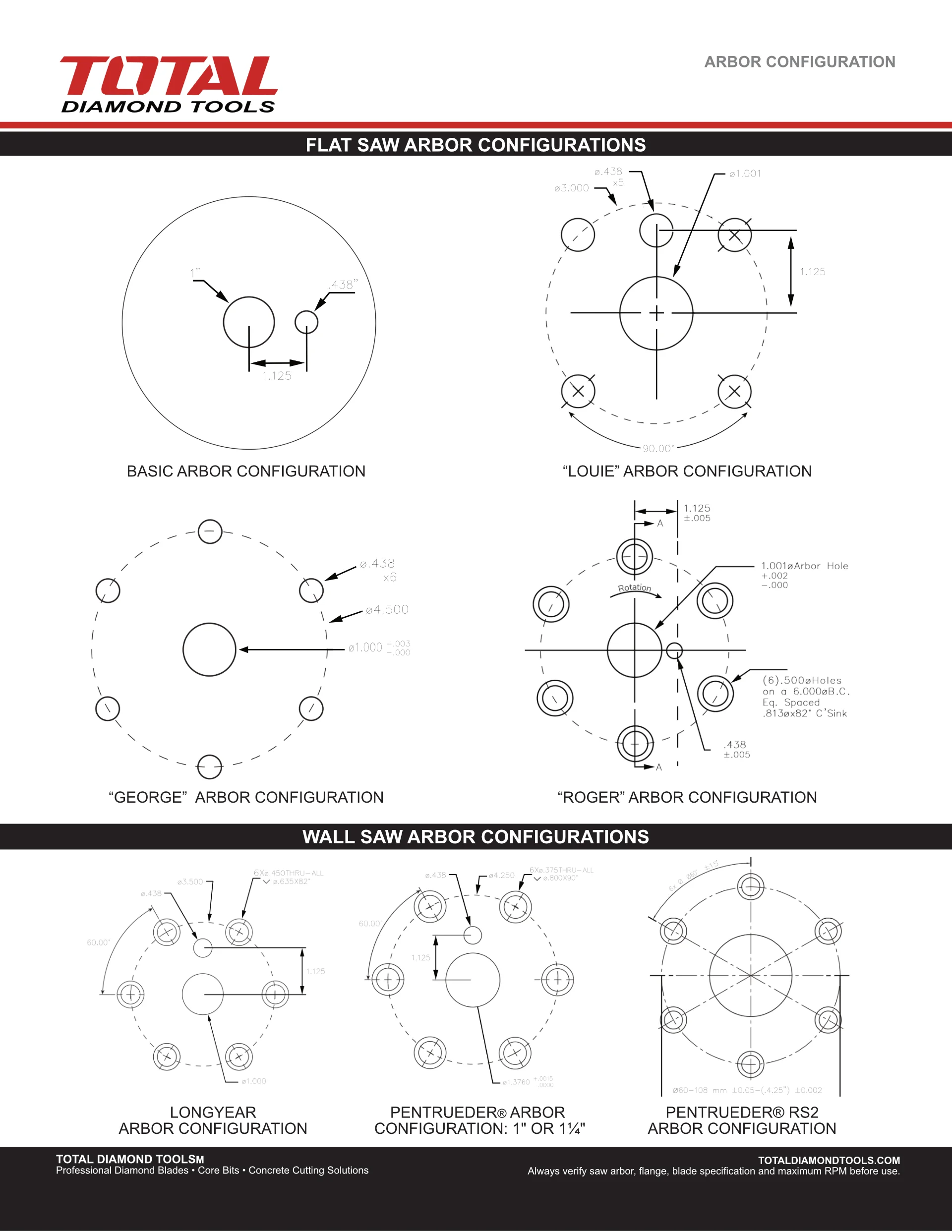
Arbor / Bolt Patterns
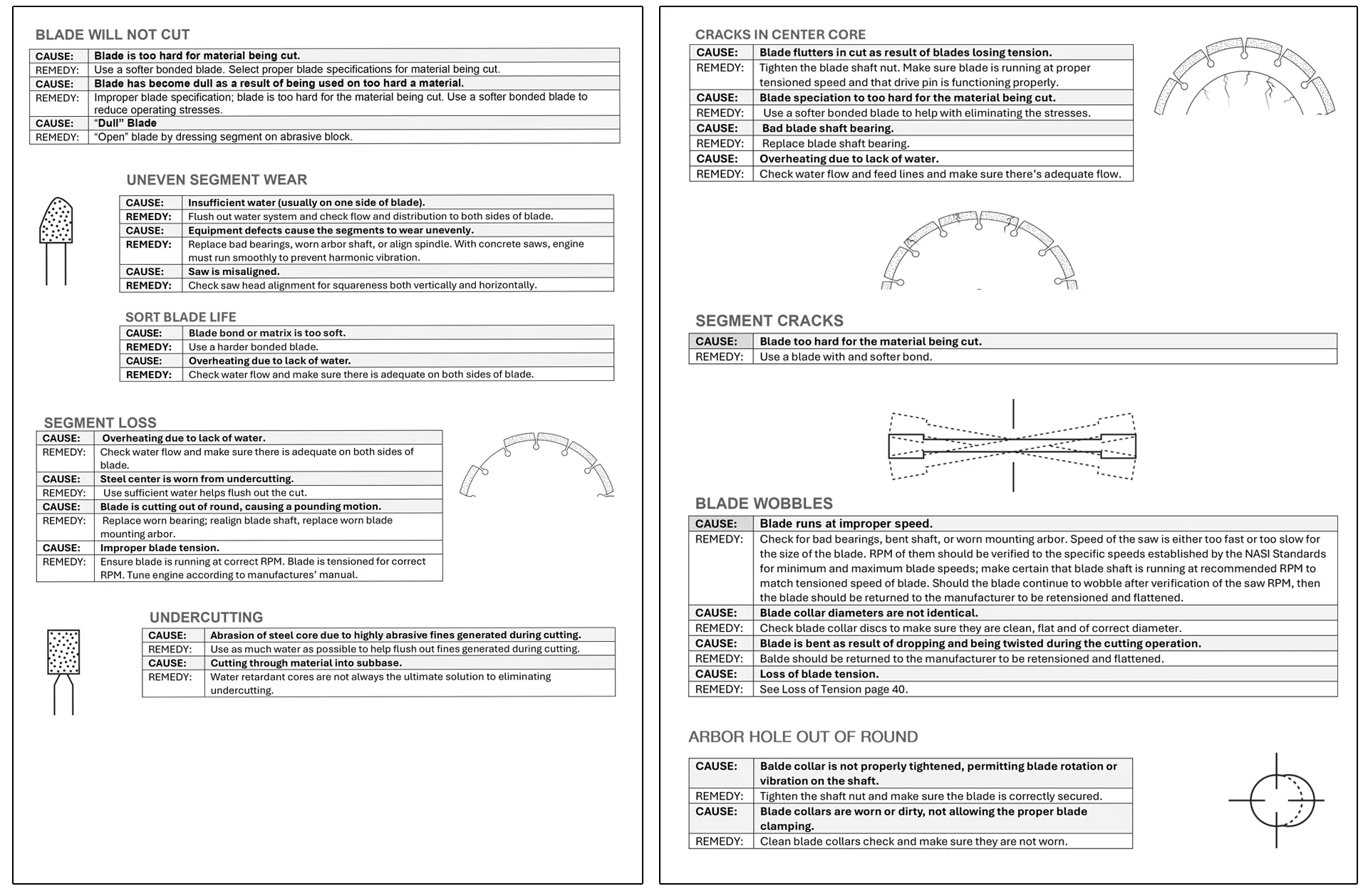
Troubleshooting
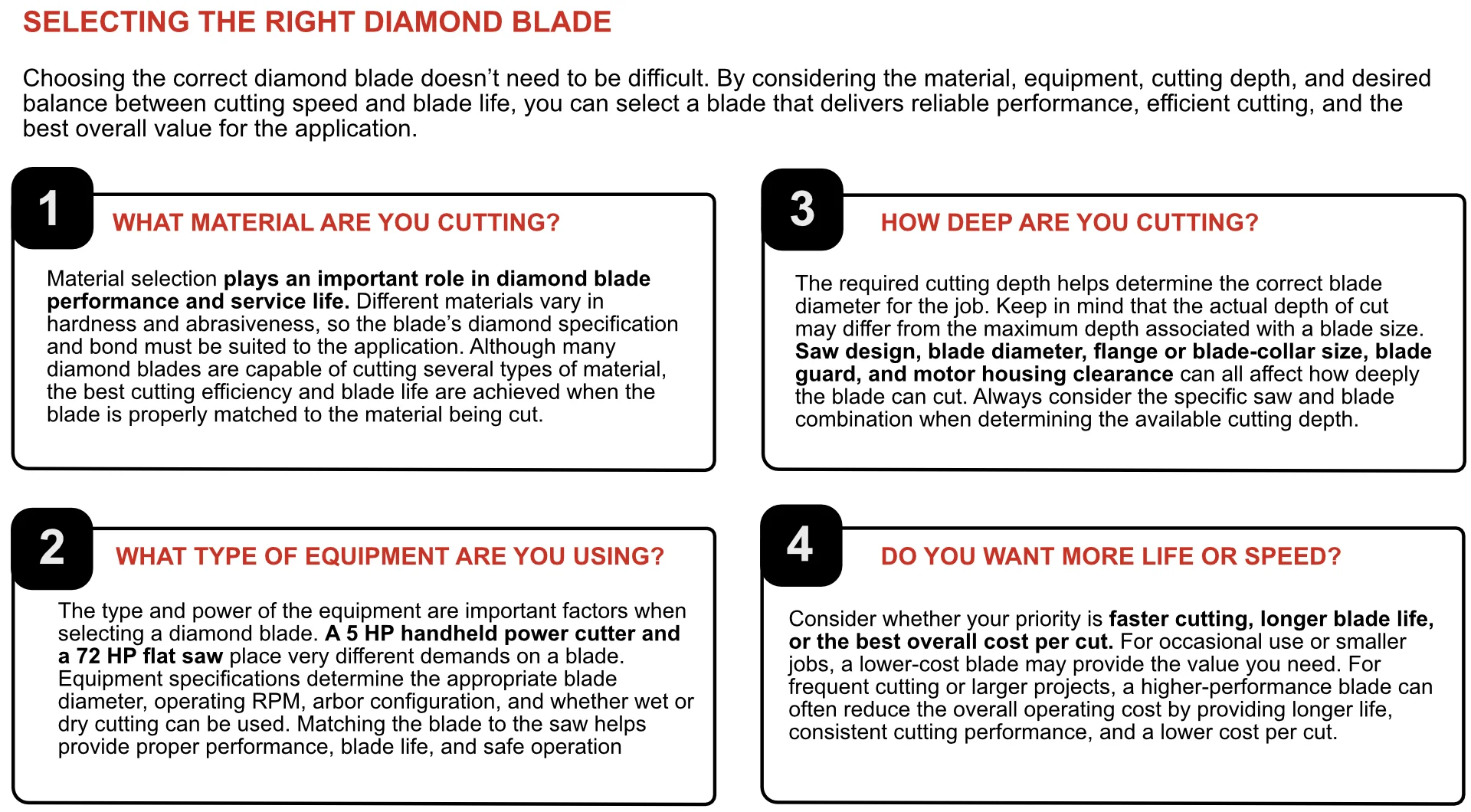
How to Select the right Diamond Blade
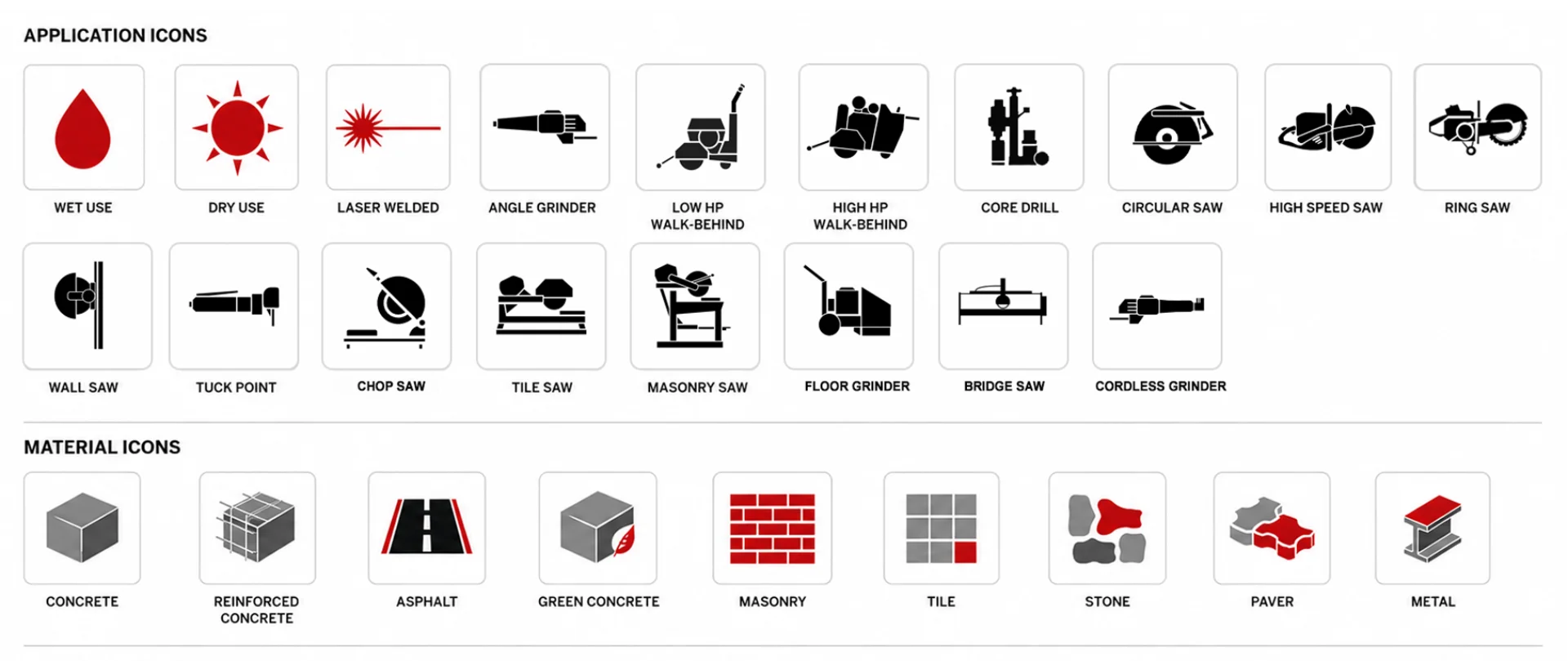
Tool Icons
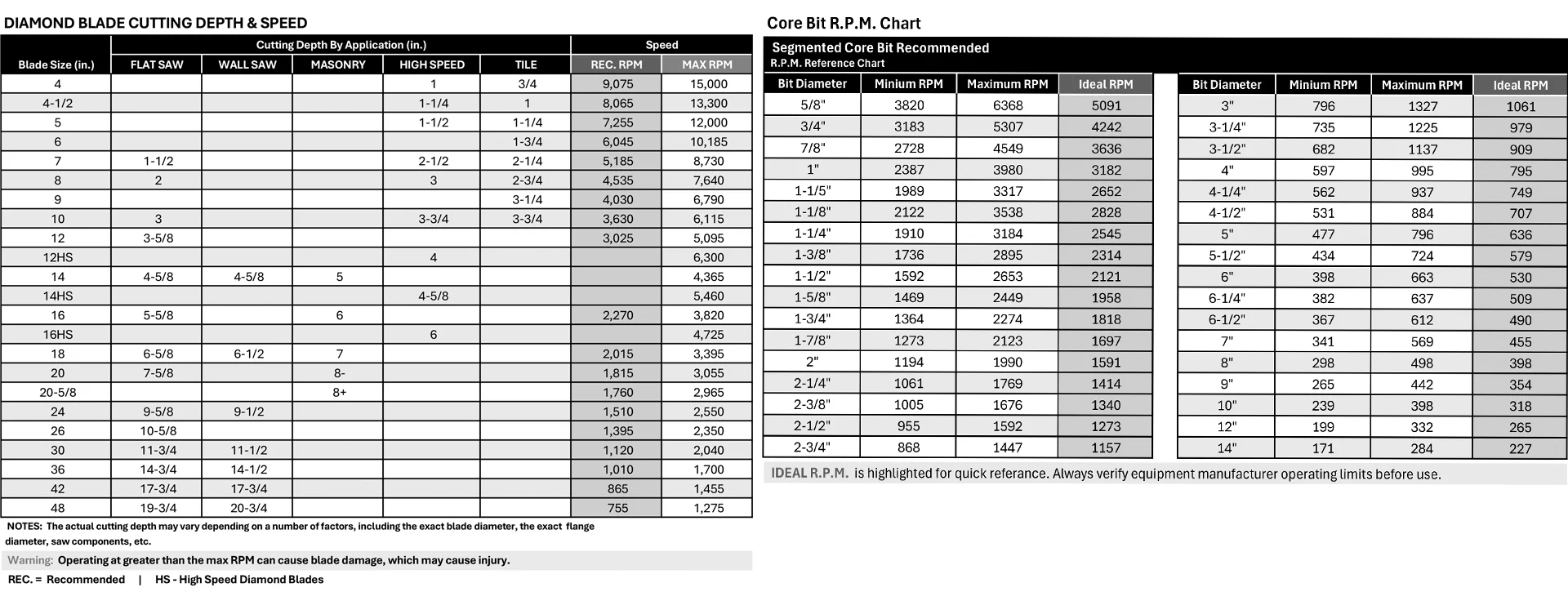
Operating Speeds
Your Health and Safety